
What is it and what is it used for?
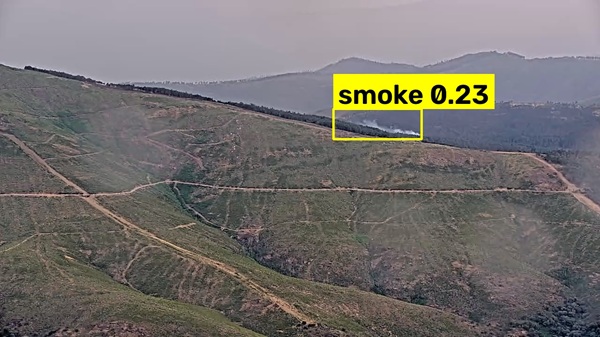
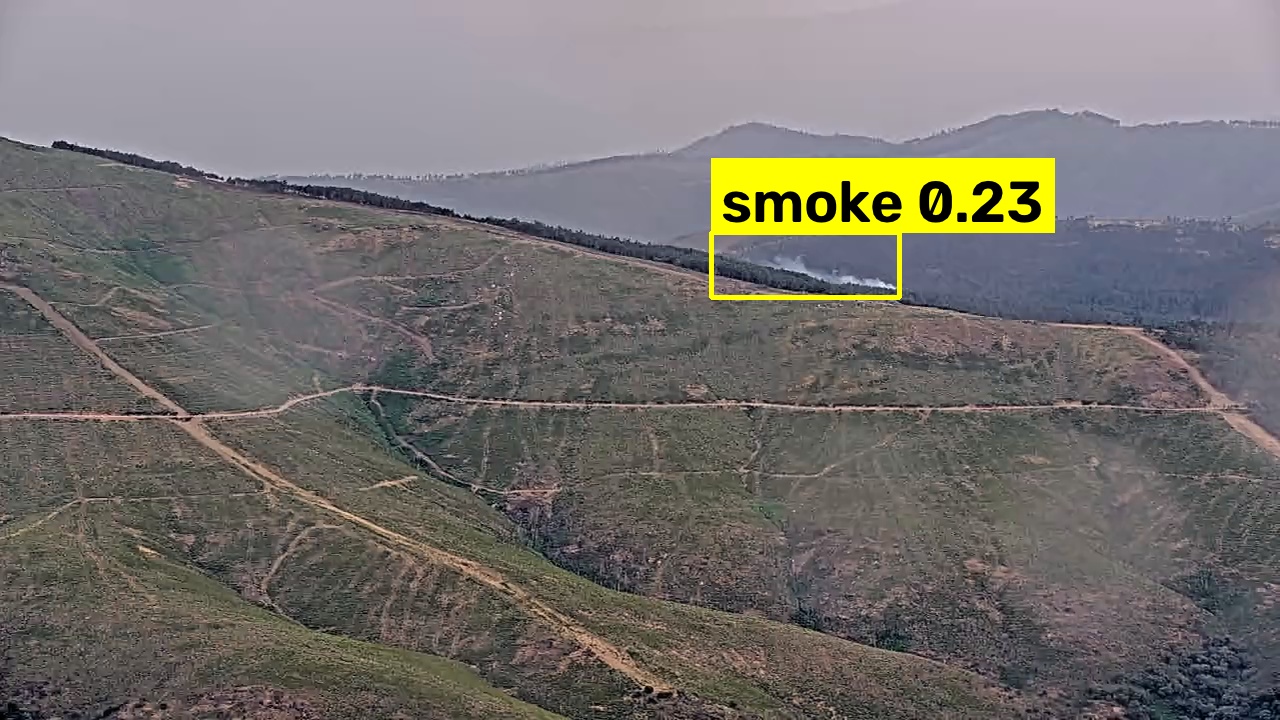
Autonomous detection of smoke sources for any forest surveillance camera, all in real time, distinguishing between false positives and false negatives, to ensure the accurate and rapid detection of any smoke source within the field of view of the cameras in the monitoring network deployed in Castile and León.
The problem it solves
The vast expanse of the Castilla y León region requires a very large number of forest video surveillance cameras, a factor that makes it extremely difficult for firefighting operations to monitor the entire area.
"Trainingthe cameras allows them to identify images containing smoke in different stages, environments, and visibility conditions, and to distinguish between elements that could cause confusion—such as clouds or fog—in order to avoid false positives."
What makes it innovative?
Computer Vision Model
An AI computer vision model specifically trained for smoke detection using various datasets designed to accurately distinguish between smoke and cloud cover.
False Positive Detection Model
A model structured using convolutional neural networks and a statistical protocol for detecting false positives caused by recurrence, thereby minimizing any false detections as much as possible and reducing the consequences of a false alarm.
Expected impact
A reduction in the resources required to monitor all the cameras available in the Castilla y León monitoring network, allowing those resources to be used for more productive tasks, and a faster and more efficient response to any fire outbreak detected by the system.


